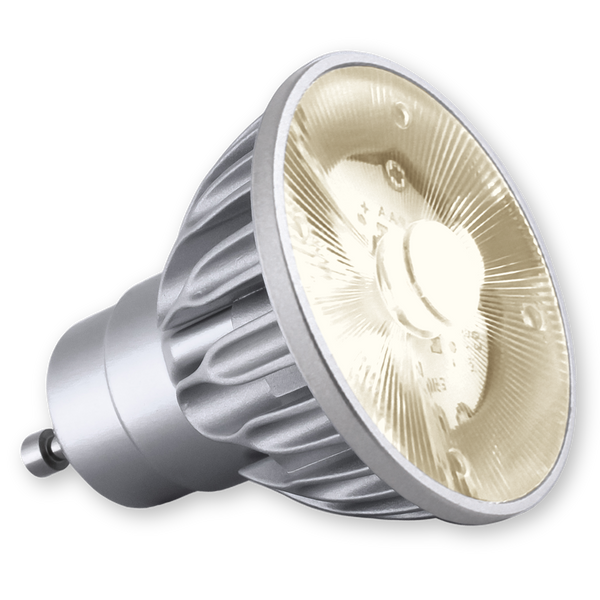
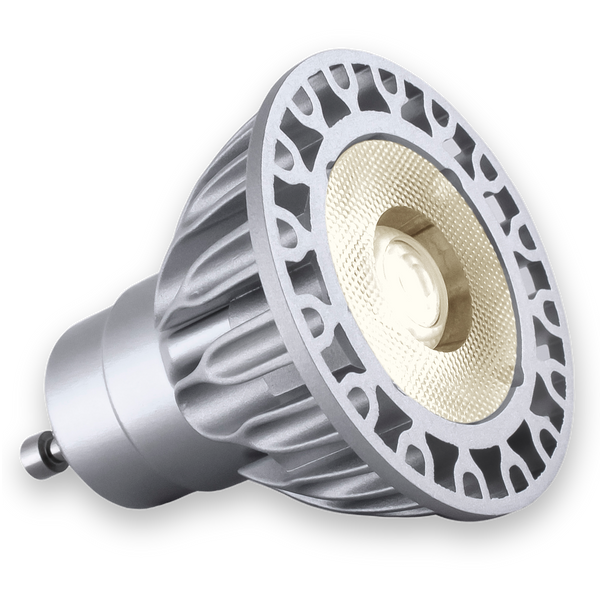
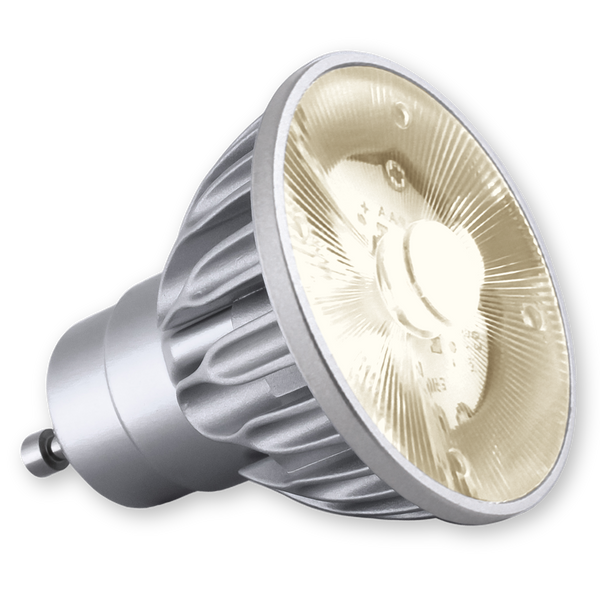
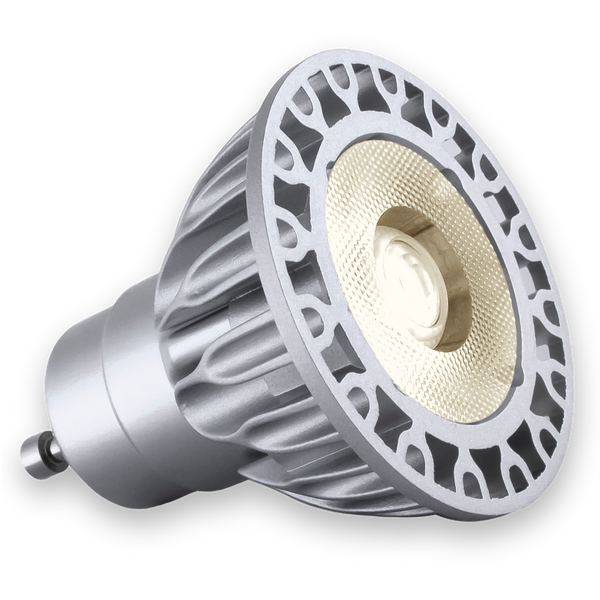
SORAA LED lamps stand for exceptionally natural colour rendering, brilliant whites and precise light control. Unlike many conventional LEDs, SORAA produces an especially complete, sunlight-like spectrum – ideal for spaces where colours, materials, skin tones and artworks should appear authentic.
SORAA Vivid 3 is the first choice when maximum colour quality and natural colour rendering are the priority. These full-spectrum LEDs are especially suitable for art, galleries, high-end living spaces, shops, practices, showrooms, skin tones, textiles and materials.
SORAA Brilliant HL is the right choice when more light output and better efficiency are required. This series is not optimised for maximum colour quality like Vivid 3, but for powerful, efficient light for higher rooms, retail spaces, work areas and professional architectural lighting.
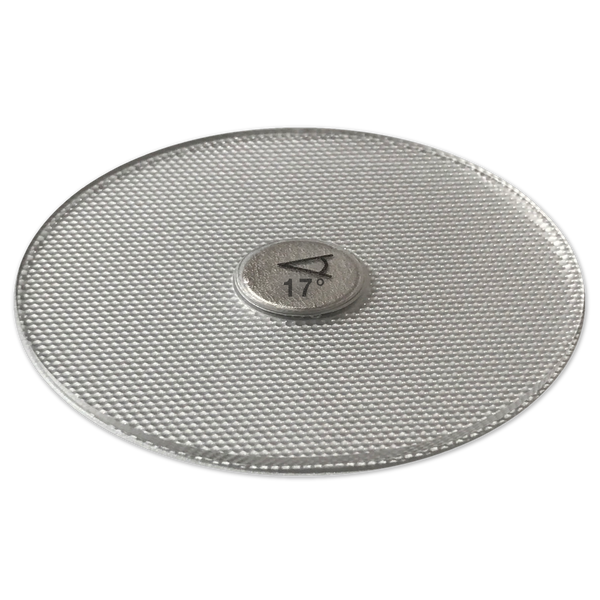
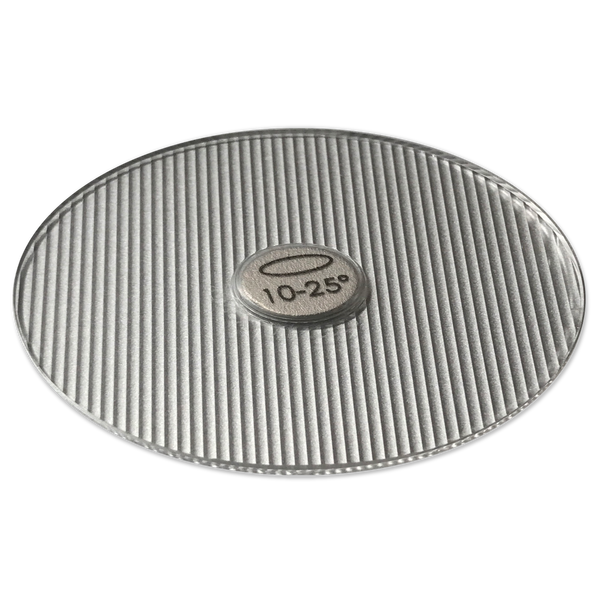
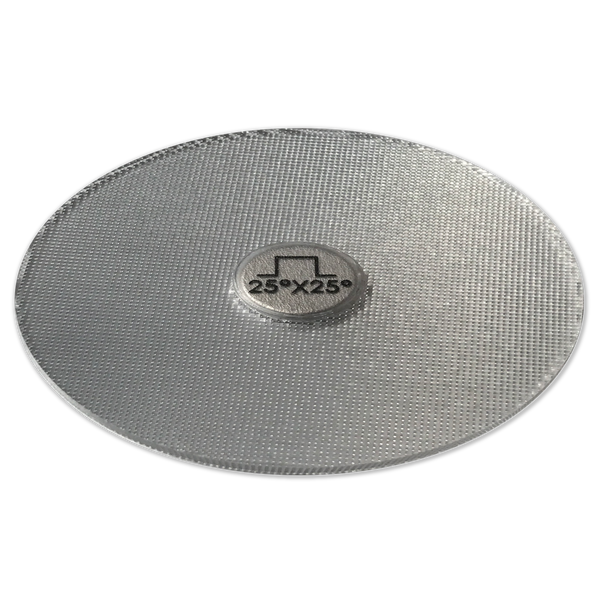
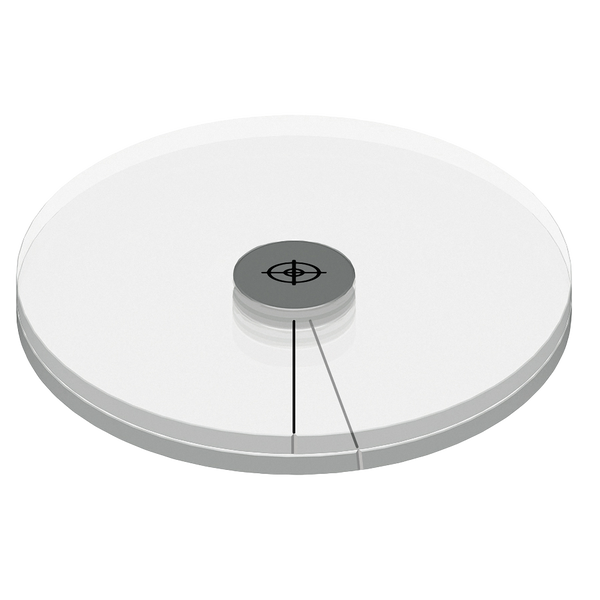
The SORAA Snap System complements both series with magnetic lenses, filters and beam spreaders. This allows the light beam to be shaped, softened, widened or precisely directed afterwards.
SORAA LED lamps stand for exceptionally natural color rendering, brilliant whites and precise light control. The SORAA Vivid 3 series in particular produces a very complete, daylight-like spectrum. As a result, colors, materials, skin tones, artworks and high-quality surfaces appear much more authentic than under many conventional LEDs.
More in our lighting blog: Artificial light with the quality and properties of sunlight – SORAA full-spectrum LED
SORAA Vivid 3 is designed for maximum color quality and full-spectrum light. This series is ideal when colors, artworks, textiles, skin tones or materials should appear as natural as possible. SORAA Brilliant HL, by contrast, is optimized for higher light output and better efficiency. Brilliant HL is therefore not the better LED in terms of color quality, but the more efficient and brighter option.
More in our lighting blog: High Lumen – Low Energy | BRILLIANT bright light with very low energy consumption
SORAA Vivid 3 is the right choice for galleries, museums, high-end homes, shops, medical practices, showrooms, food presentation, textiles, artworks and anywhere natural color rendering is essential. In short: Vivid 3 is the SORAA light for true colors.
More in our lighting blog: #TheDress – does lighting change color perception?
SORAA Brilliant HL is useful when more brightness and efficiency are more important than maximum color quality. Typical applications include higher rooms, retail spaces, work areas, shop windows, medical practices and professional architectural lighting with higher light requirements.
More in our lighting blog: High Lumen – Low Energy | BRILLIANT bright light with very low energy consumption
Full spectrum means that a light source produces a spectrum that is as complete and balanced as possible. For the perception of colors, whites and materials, not only the CRI value matters, but also how evenly and completely the spectrum is built.
More in our lighting blog: Poor light does not only spoil the eyes, but also the mood
Light changes how we see colors. Under poor lighting, textiles, skin tones, food, artworks or surfaces can appear distorted. Good color rendering ensures that colors look differentiated, natural and believable.
More in our lighting blog: #TheDress – does lighting change color perception?
With the magnetic SORAA Snap System, the light beam can be changed afterwards. Lenses, filters and beam spreaders can widen the beam angle, shape the beam elliptically or squarely, or direct the light precisely. This is especially useful for galleries, shops, homes and professional lighting design.
More in our lighting blog: SORAA Snap System
SORAA Color Enhance describes targeted color enhancement without simply creating an unpleasant color cast. It is especially interesting for applications where certain color ranges should be emphasized, such as food, displays, fashion or presentation areas.
More in our lighting blog: TM-30 and color-enhancing products | SORAA Color Enhance
Color enhancing means that specific color ranges are deliberately intensified. This can be useful when food, fashion, displays or presentation areas should look particularly attractive. The important point is that the enhancement is controlled and does not simply result in a pinkish or unnatural light tone.
More in our lighting blog: The CRI value should determine the color fidelity of lamps – but it often does not!
Color rendering can be described using metrics such as CRI and TM-30. TM-30 evaluates colors in a more differentiated way than the classic CRI and can show whether colors are reproduced neutrally or selectively enhanced. Nevertheless, lighting design always depends on the specific application.
More in our lighting blog: SORAA Vivid full-spectrum LED – natural light like sunlight
We are happy to advise you personally and help you find the right solution.
Book a consultation appointment now
#TheDress or how differences in lighting affect people's perception of colour
Choosing the right lighting for a retail shop is fundamental. Whether it's accent, ambient or general lighting, the lamps and luminaires you choose can change the way customers perceive the colour of a room, the shade of an item in a shop window, on shelves and in displays.
In the worst case scenario, for example, the colours of a striped dress could be perceived as white with gold instead of blue with black...
You don't believe it? Just such a phenomenon triggered an internet hype in 2015, which caused a furore with the hashtag #TheDress.

Rendering whites without ultraviolet radiation
In various articles here in the danholt lighting BLOG, I have explained the importance of the different TM-30 metrics and how lighting designers and users can use them as a guide.
However, TM-30 is also useful for other players in the lighting world, including manufacturers themselves. Developing a light source often means making compromises — for example, deciding whether to prioritise lumens per watt or colour rendering.

Colour enhancement based on TM30
When should we use such colour-enhancing light sources? This is an interesting question to which there is no simple answer.
First of all, we need to realise that just because something is preferred in a comparative experiment does not always make it better. Let me give an analogy here: If you serve two otherwise identical dishes, one of which contains more salt than the other, most people will favour the saltier dish. However, we certainly don't conclude from this that more salt in our food is always better!

TM-30 and colour enhancing products | SORAA Color Enhance
There are a variety of colour enhancing LED sources on the market, but as far as I can fairly judge the competitors' products, I have to say that I'm not impressed with what I've seen so far. In short, these products often have an unpleasant way of saturating colours while producing a pinkish hue of light. We are familiar with these lights from meat and sausage counters in various supermarket chains, for example.
No more pink-red islands of light, but consistent colouring with the same white point and yet the desired colour enhancement of the red tones for the counter display would be desirable. This is exactly what you can achieve with the SORAA Enhance Filter in combination with the SORAA Vivid LED.